• Newest Comic
  • About
    • Synopsis
    • Characters
    • Author
    • F.A.Q.
  • Archive
    • Comic Archive
    • Blog Archive
  • Links
    • Press
    • Connect
    • D. Bethel’s Work
    • Contact
    • Friends of Long John
  • Shop
    • Online Store
    • E-Books
  • YouTube

Long John

Losing Every Thing Changes Everything

The Week – 10 July 2020

Jul10
by DBethel on 10 July 2020

WATCHING:

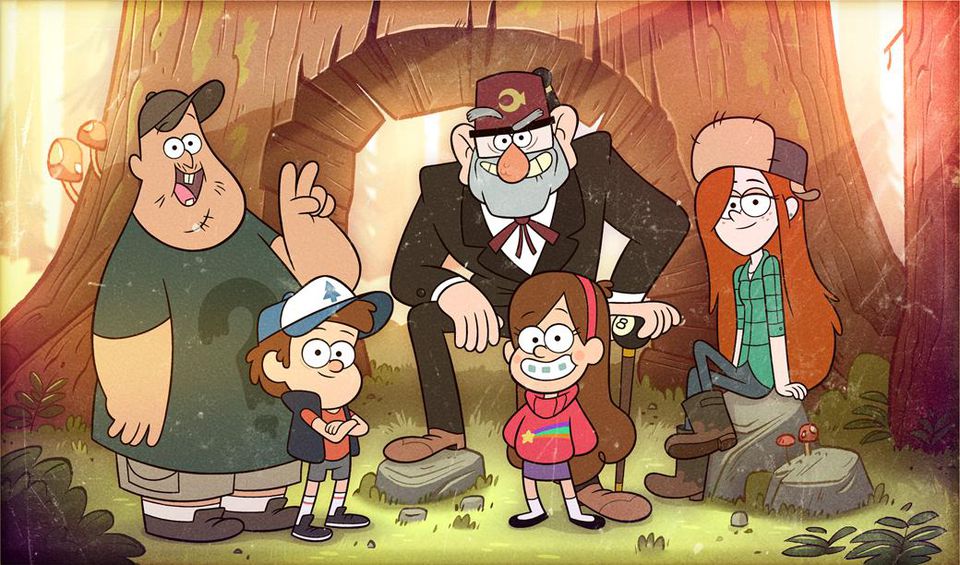
Image source: Disney
  • Gravity Falls (2012-2016) on Hulu

California is certainly well represented in our entertainment media; however, within this very large state of mine, I feel that Northern California is woefully under-represented.

You may balk at that idea––San Francisco gets a lot of attention in movies and television. While true, there is still almost 400 miles of state above our fair city on the bay, inland as well. This “other” Northern California is very different from the rest of the state––it’s forested with redwoods, gets snow during the winter, and relatively sparse of population. As expected, the more north you go, the more Pacific Northwesterny it becomes, too.

My wife and I spend a lot of time in this area, driving around and hiking, camping, and––during winter––letting our dog roll around in the snow. In addition the peaceful solitude, the region carries an air of history crossed with mystery. Hiking often reveals abandoned barns or the red, rusted skeletons of machinery whose purpose has long been forgotten. You can find abandoned train tunnels to walk through, feeling wintry temperatures in the pitch black during the middle of summer. All of this speaks to a lost society, places once bustling with intent and productivity but, in the loss of that, become overgrown and hidden by time.
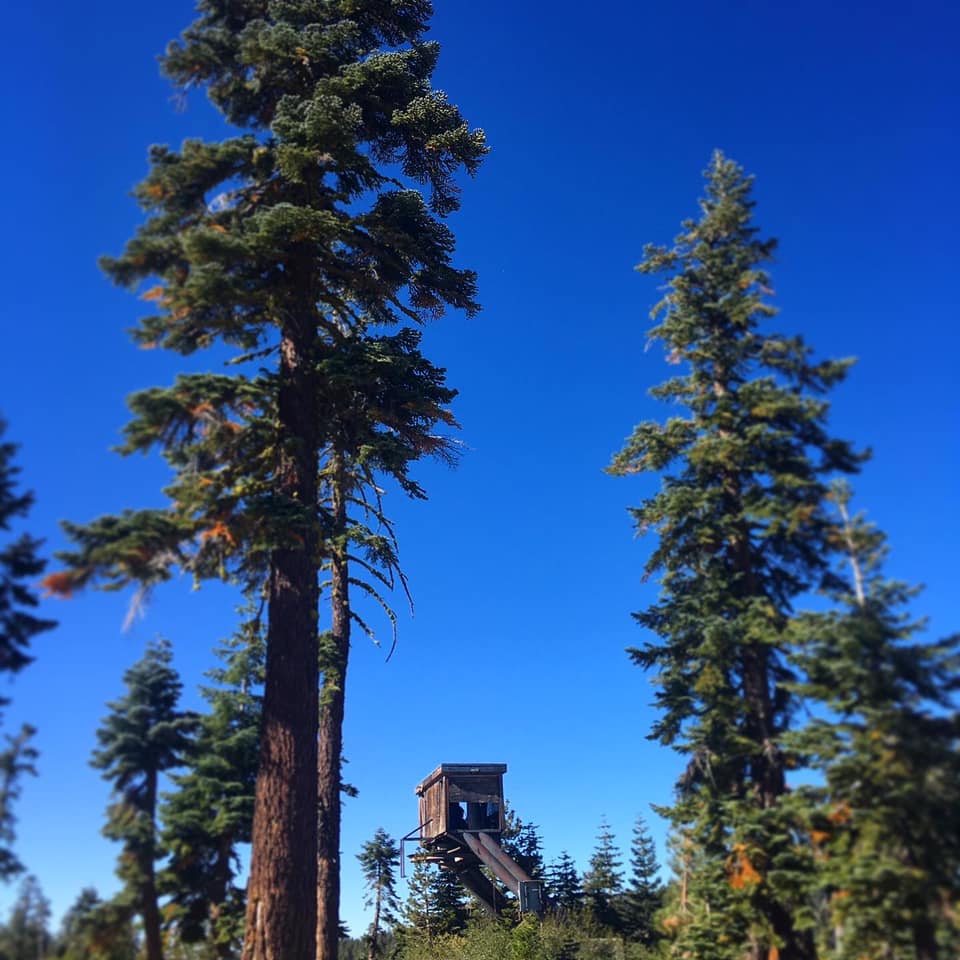
You can find strange things in the open wild of Northern California, such as the abandoned Iron Mountain Sno-Park off the Mormon-Emigrant Trail near Kyburz, California. Photo is the author’s.

Not to mention that what society survives out there is incredibly quirky. It’s like the residents revel in the otherness that shrouds this part of the state. From the Mystery Spot in Santa Cruz to gigantic carved totems of Paul Bunyan in Westwood to, you guessed it, the sprawling ghost town of Bodie in the Eastern Sierra Nevadas.

I say all of that because the Disney XD show, Gravity Falls (though we watch it on Hulu), captures that exact strangeness of Northern California––and then adds things like ghosts, gnomes, and other cryptids. Also, a bit of conspiracy, time travel, and science-fiction.

Despite the fictional town of Gravity Falls being set in Oregon, the show’s creator, Alex Hirsch, has said that it has been inspired by his time as a youth in Oregon as well as his summers growing up in Northern California and places like the Mystery Spot.
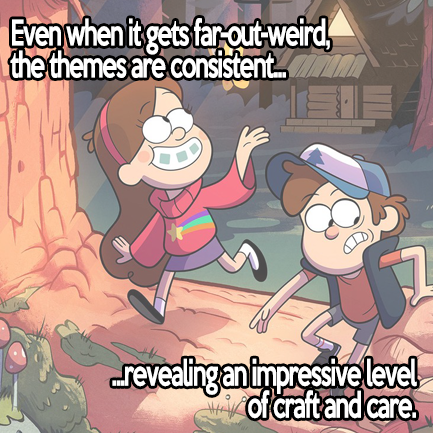
source: Disney

The basic premise is that the pre-teen twins, Dipper and Mabel Pines, are sent to spend the summer in Gravity Falls, Oregon with their great uncle (or “Grunkle”) Stan Pines who runs the somewhat shady tourist spot “The Mystery Shack.” From there, hilarity ensues.

The show, with its mixture of X-Files, Twin Peaks, and Spielbergian family drama, hits so many of the right notes with me that it takes a lot of willpower to not binge through its two seasons. What I especially love is that, despite its wackiness (a wackiness that––unlike a lot of other animated series––has a premise that allows it), it’s a show about the affection and friendship between the main characters. Even when it gets far-out-weird, the themes are consistent and there is a narrative and emotional throughline in each episode, revealing an impressive level of craft and care.

Obviously, it inspires me to approach my own work with as much attention and thought as Hirsch did, but it also makes me think of this strange part of the state where I live and have access to and gives me a desire to get back out there.

LISTENING:
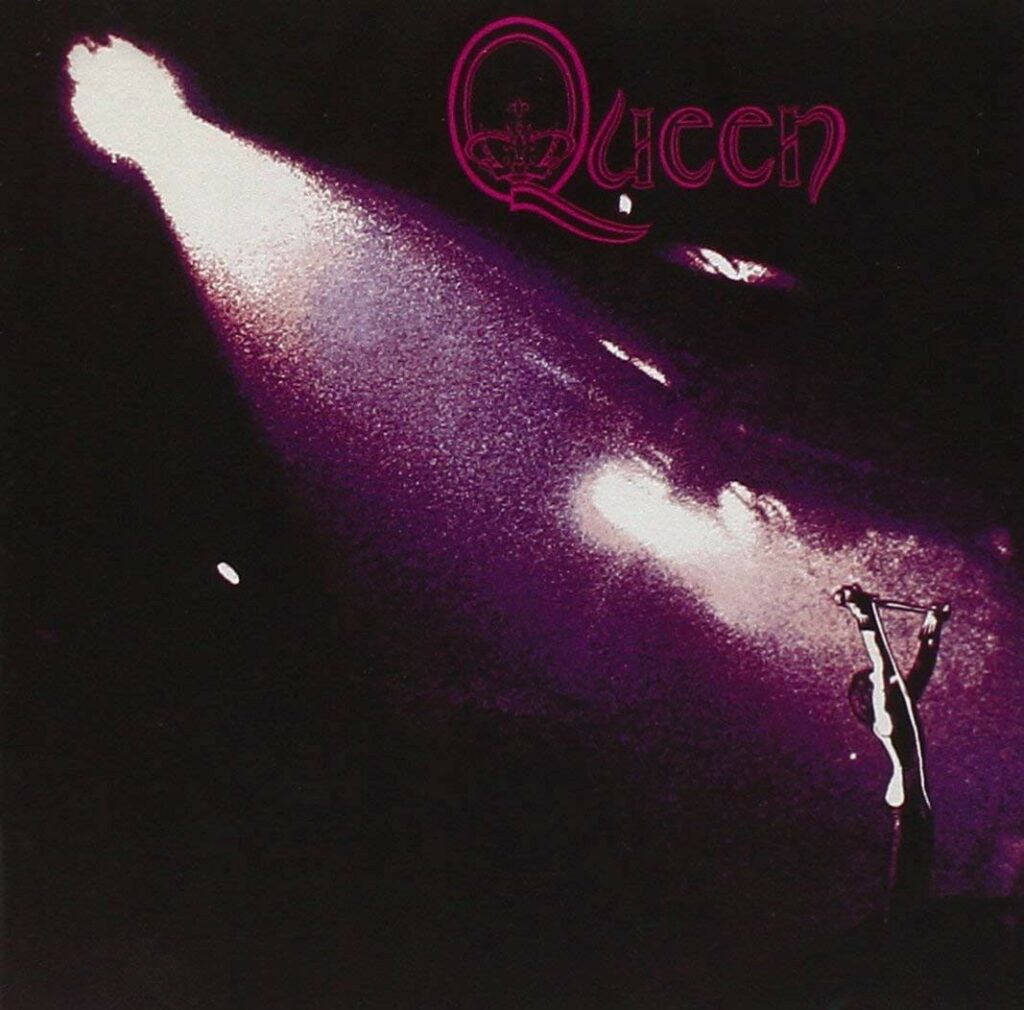
Image Source: EMI/Elektra
  • Queen (1973) by Queen

My great Queen listening journey came to an end this month. For the uninitiated, a friend who is not a fan of Queen challenged me to name five good Queen songs not on a greatest hits collection. Of course, I couldn’t, which made me realize that, while I know their hits, I called myself a fan of the band without any real knowledge of them.

Bolstered by the goal, I decided I would buy a Queen album per month, to give myself a good chunk of time to become familiar with each album and its songs.

I knew I wouldn’t be as much of a fan of their early progressive stuff, so I skipped the first album entirely and started with Queen II, which I did not like at all. It wasn’t until their fourth album, A Night at the Opera, where they actually started asserting their unique personality as a band and create solid albums, which––generally––I argue they continued through the rest of their career (with only a few missteps).

Last month, for me, was their final studio album, Made in Heaven, cobbled together from outtakes and final, desperate vocals from a very ill Freddie Mercury. I realized, however, that I wasn’t done. I needed to go to their first album to actually bring the experiment to a close. In a way, I found it fitting, albeit strange and accidental, to end this trek with their very first album.
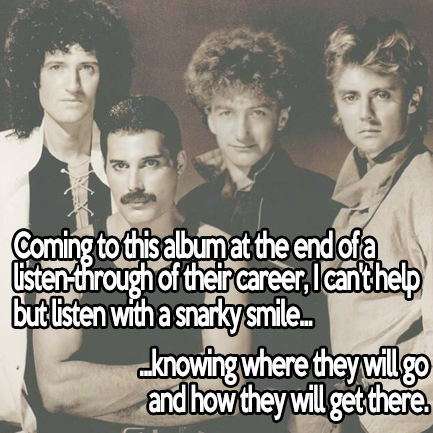
Image source: EMI/Elektra

In hindsight, I actually wish I had started with Queen instead of Queen II. Sure, it is more of their progressive, floaty, sword-and-sorcery, indulgent sound, but it’s an album comprised of club songs––so, the songs are tight, rehearsed, and workshopped to please and energize a crowd. It’s with Queen II that they took more advantage of the studio, taking what personality they established on the first album and make it bloated and masturbatory. There are some neat studio tricks on this album, but mostly it’s just a band rocking the eff out and it’s delightful, especially in the face of what I was expecting.

From the very Black Sabbathesque “Sons and Daughters” to the very fun fantasy of “Great King Rat” there are some hints of what Queen will become in tracks like “Liar,” “Jesus,” “Modern Times Rock ‘N Roll,” and “Doing Alright,” but even then it’s hazy and vague; whispers coming from behind you.

The band really is a compilation of four different and talented songwriters who, somehow, coalesce into this unique sound called “Queen.” Like many first albums, Queen is a snapshot of a band full of talent but with no idea of who they are––and what that means in the context of this band is that they are also four songwriters figuring out their individual voices.

Coming to this album at the end of a listen-through of their career, I can’t help but listen with a snarky smile, knowing where they will go and how they will get there…tempered a bit by a pang for the tragedy to come, as well. Listening through Queen, their talent and ability come through clearly, and while it’s sloppy and a bit try-hard, I can’t help walking away wishing them the best going forward.
 Comment 

Sketch Fridays #71 – Nightcrawler

Jul03
by DBethel on 3 July 2020
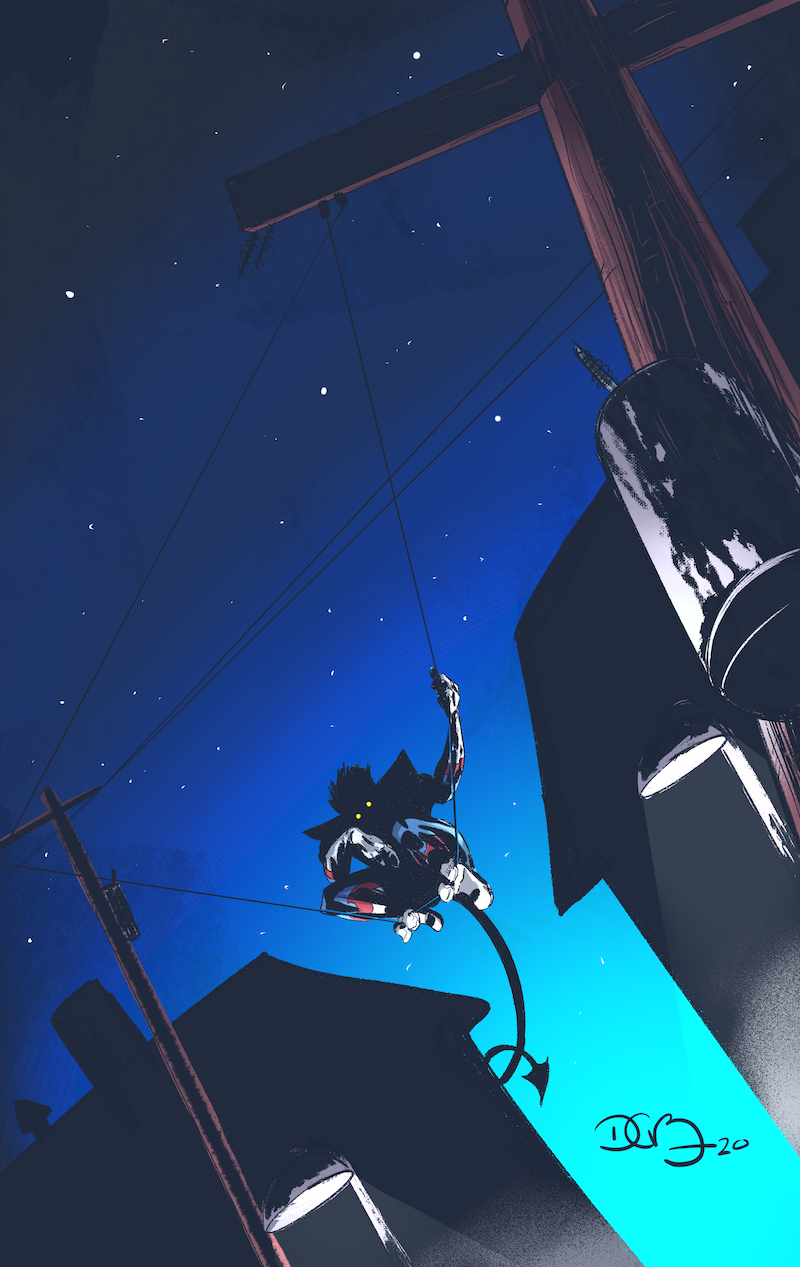
Sketch Fridays #71 – Nightcrawler

Another result of continued experimentation on the iPad. I seem to rely on characters from nostalgia (the X-Men, in particular) while wrapping my brain around the intricacies of the art app, called (sigh) Procreate.

I’m not consciously choosing these characters––well, I guess I am, but it’s more of making my way to them rather than starting with the idea of doing fanart. However, when I get stuck on one of the many other pieces I’ve started, I tend to problem pose ideas with X-Men characters.

At the very least, my familiarity and comfort with the characters allow me to try new things and actually get through and finish the piece where others are languishing in creative indecision.

1 Comment

The Week – 26 June 2020

Jun26
by DBethel on 26 June 2020

READING:

Source: She Writes Press
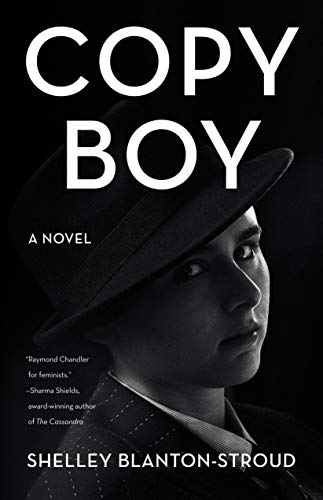
  • Copy Boy by Shelley Blanton-Stroud

Noir stories have had a profound effect on my sensibilities; this is nothing new for those that have combed through the archives of this site.

What I love about noir––as written by people like Dashiell Hammett and Raymond Chandler––is that beneath its brutal stoicism exists a reliance on introspection and self-awareness. This is surely more pronounced in the works of Chandler––from whom the tropes of film noir evolved––but can be found throughout the genre.

These protagonists are imperfect people––often making wrong choices and dealing with those consequences both in violence and reflection. But they always keep moving forward, pushing through failure until they find the solution that works, even if it’s not the best solution.

Jane Hopper, the protagonist of Copy Boy, spends a lot of the book thinking about failure, especially in its binary relationship with success. It’s a balance driven into her psyche by the teachings from her parents as well as their actions.

Image source: Shelley Blanton-Stroud

As the book unfolds and Jane finds herself getting into deeper and deeper trouble––the story takes place in Depression-era San Francisco where, to escape her life as a dust bowl emigrant with a self-destructive family, Jane flees from the worker tent camps of Sacramento to the metropolis of San Francisco, going undercover as a copy boy at a newspaper to achieve her goal of becoming a journalist despite the fact that her past keeps trying to catch up with her––the implied lesson that Jane learns is that the failure-success binary isn’t real; at least, not in a noir story. Success is not defined by the absence of failure, it’s defined by it.

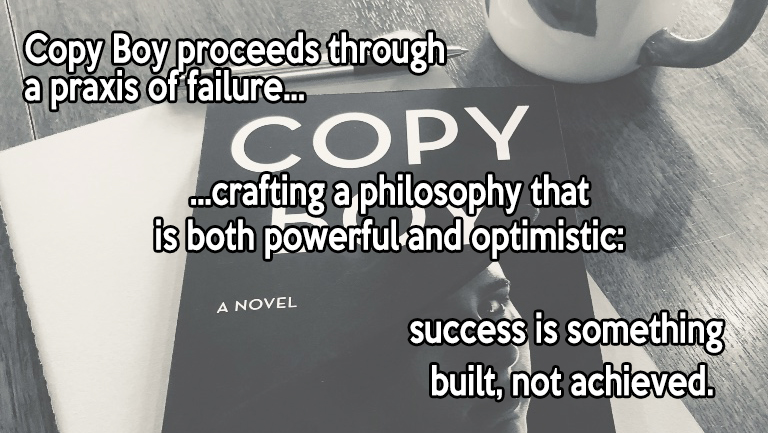
Copy Boy proceeds through a praxis of failure, ruminating on what failure and success are while simultaneously testing the ideas, crafting a philosophy that is incredibly powerful and optimistic––success is something built, not achieved. It’s crafted by what you learn from failure and gets applied to your choices going forward. So, as long as you’re trying, there is always a future success to look forward to, you just have to be willing to put in the work.

FULL DISCLOSURE: Copy Boy is the debut novel of Shelley Blanton-Stroud with whom I share an office at CSU, Sacramento, and who is a good friend. Shelley gifted me an advance reader copy of the novel. It is now widely available.

WATCHING:

Source: Hulu
  • The Great on Hulu

During this great pandemic shutdown, a lot of people online discuss their “comfort food” as they struggle to find a semblance of normal life amid the quarantine.

There’s obviously the food angle here, but I mean it more broadly than that––anything that is able to distract us and, with hope (if even for a short amount of time), bring on a smile.

As a nerd, I surprised myself in finding I’m not really turning to franchises from my youth, to not immediately want to swim in nostalgia. Like a lot of people are finding, work has been the biggest distraction from societal ills for your performance and effort are immediate and impactful. So, for example, rather than reading a lot of comics, I’ve been making them––however, even that gets exhausting by the end of the day.

When it comes to entertainment, what I’ve been wanting more than anything are period pieces––people with elegant accents in equally elegant attire fretting about things like manners, social protocol, and dowries. I don’t know why, this has been my go-to, but it has.

At first, we burned through as many Jane Austen works as we could find (though, most of these amounted to rewatches rather than being new discoveries), branching out from there.

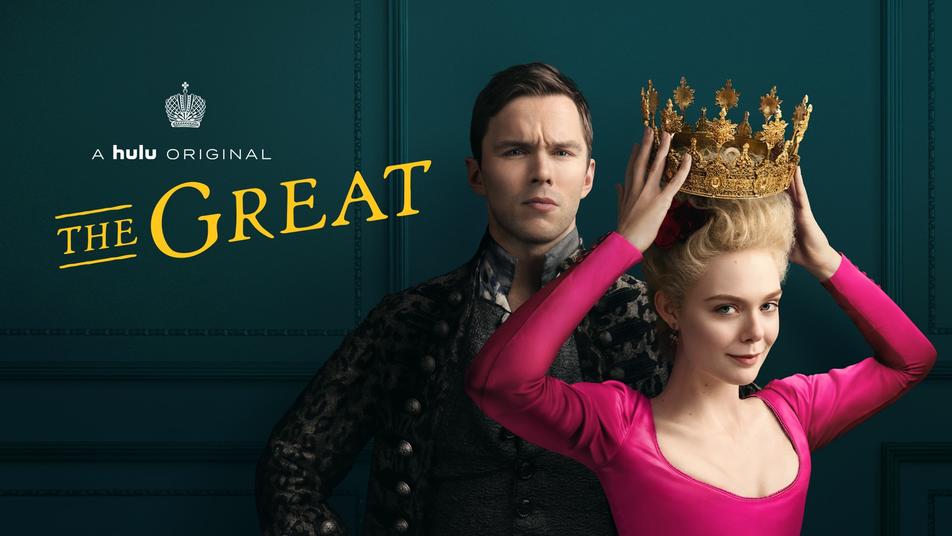
And then we found Hulu’s The Great. It’s great.

Image source: Hulu

Focusing on the rise of Catherine the Great, a beloved Russian ruler (by way of Prussia), who gained the throne by coup over her husband, Peter III. However, the history is irrelevant as the title card of the show, in every episode, touts itself as being “mostly true.”

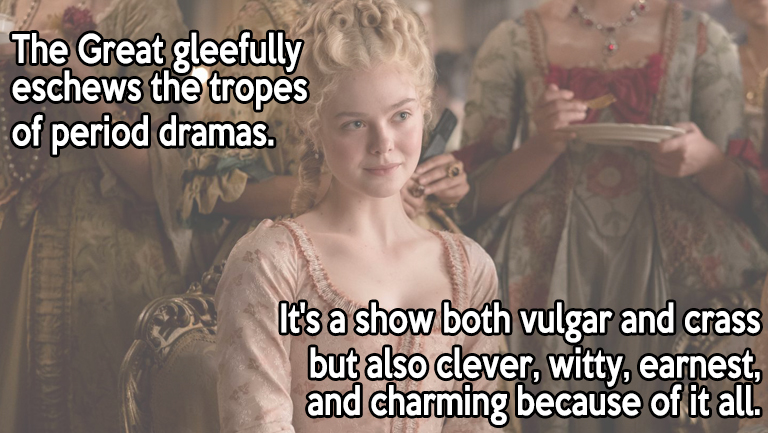
What makes The Great stand out is its irreverence on all fronts. The characters are wholly anachronistic in their manners and speech. The writing is proudly fluid with its attention to the history it’s representing. On a meta-fictional level, it’s a period piece that gleefully eschews the tropes of period dramas. It’s a show both vulgar and crass but also clever, witty, earnest, and charming because of it all.

It’s hard to recommend, however, because it so fully disregards expectations of period dramas, and such disregard could easily turn off those who would otherwise be drawn to it. But, like a lot of shows, you have to meet The Great on its own terms and, once you do, you’re in for a really fun ride.

LONG JOHN UPDATE:

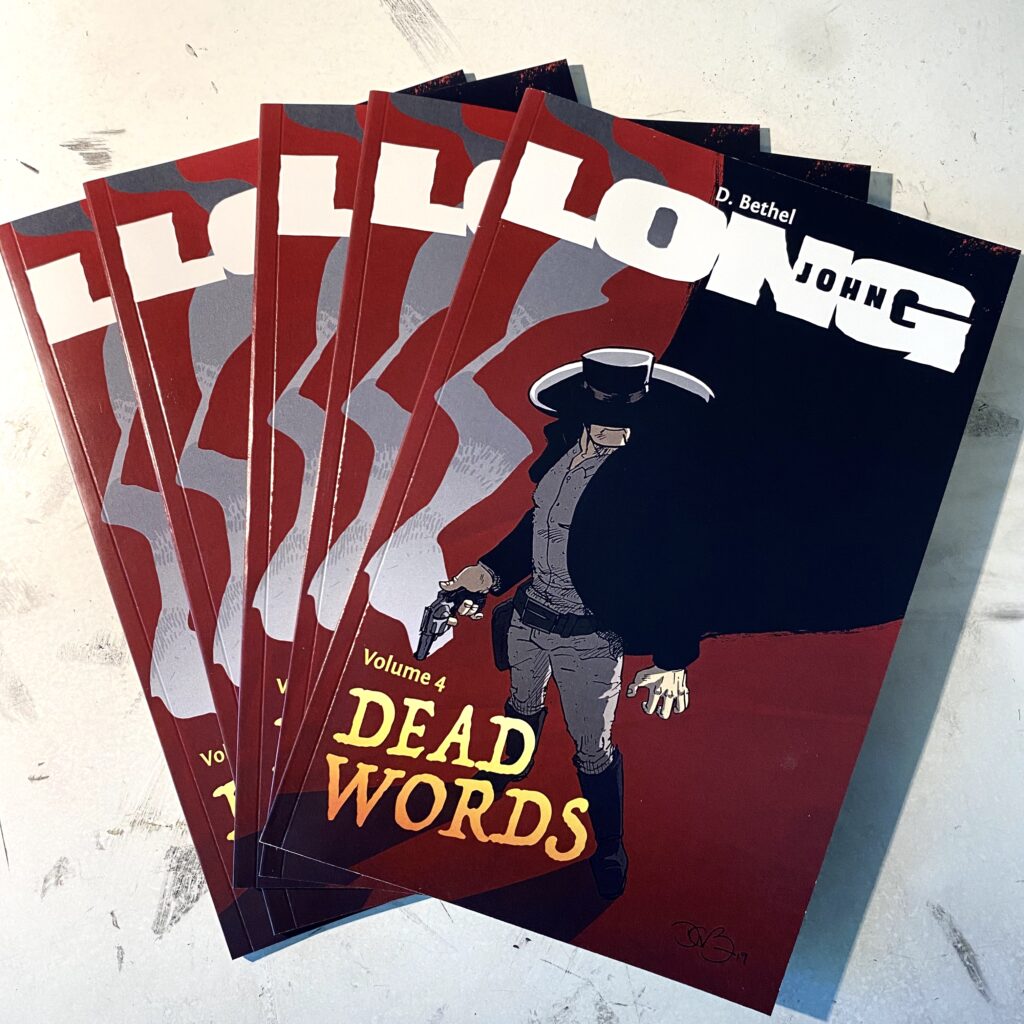
  • Long John, Volume 4 is on sale now

Just a helpful reminder that volume 4 of Long John is on sale now at the store for a mere $8 (plus shipping). Again, it collects the entirety of Chapter 4, “Dead Words,” as well as an exclusive NEW 10-page backup comic featuring Hellrider Jackie, called “The Patient Feast.” Also included is a few pieces of Long John art by artists I incredibly respect––a commissioned piece by Prophet and Old City Blues artist, Giannis Milonogiannis, and a collaborative piece by good friend, John Cottrell.

For only $8 you get over 40 pages of comics and content as well as an original custom Long John ink sketch and a Long John coaster.

Get yours today!

 Comment 
  • Page 42 of 114
  • « First
  • «
  • 40
  • 41
  • 42
  • 43
  • 44
  • »
  • Last »
  • Instagram
  • Facebook
  • YouTube
Privacy & Cookies: This site uses cookies. By continuing to use this website, you agree to their use.

To find out more, including how to control cookies, see here: Cookie Policy
  • Newest Comic
  • About
  • Archive
  • Links
  • Shop
  • YouTube

©2014-2026 D. Bethel | Powered by WordPress with ComicPress | Subscribe: RSS | Back to Top ↑