
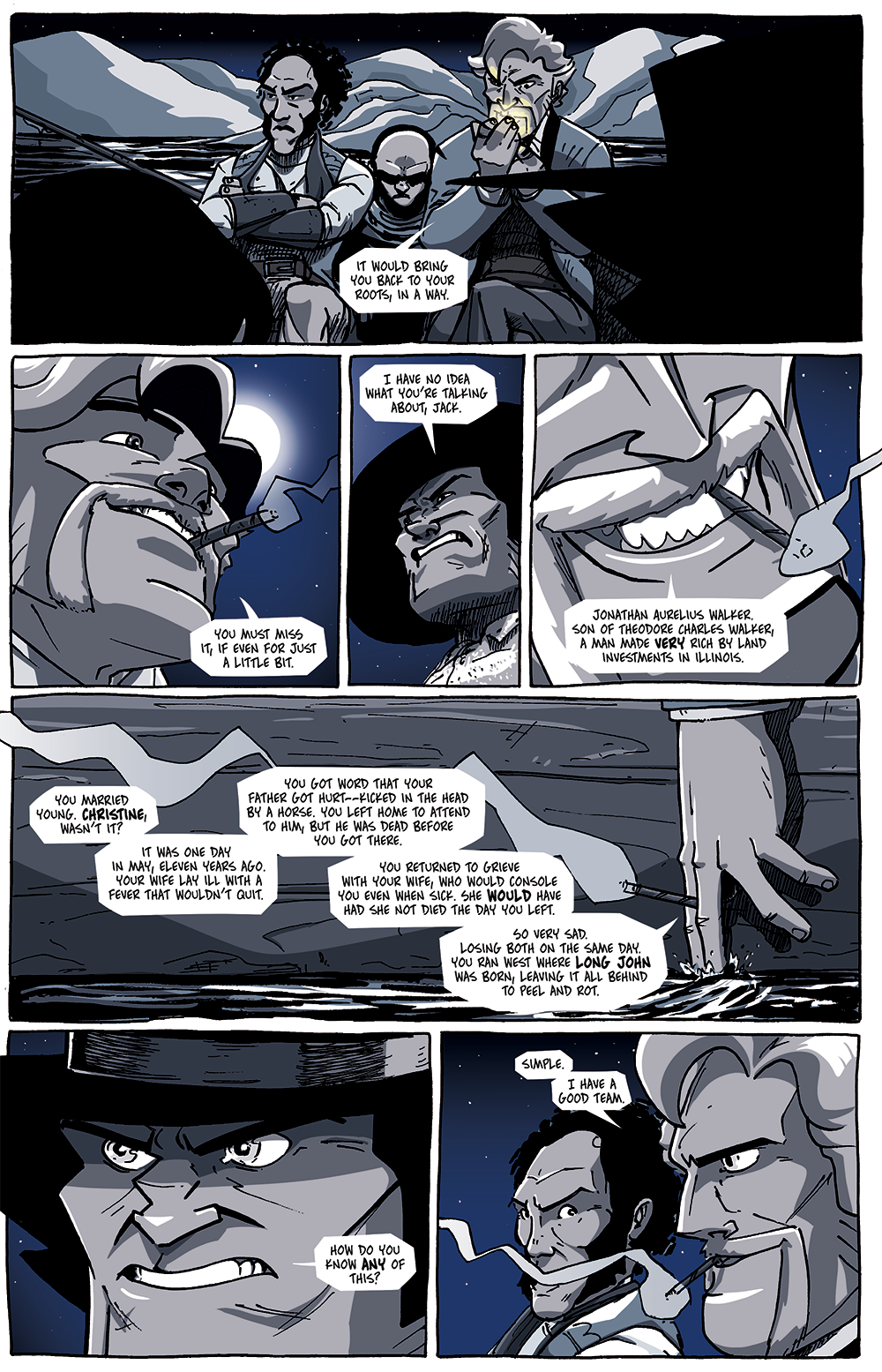

This moment is less about finally learning Long John’s origin and more that he is being directly confronted with it. Confronting what he ran away from is, in a way, the “final boss” of his story more than Rich Jack or Hellrider Jackie ever were.
His past has been hinted at, but never directly told, ultimately because it’s not the point of the book, it’s figuring out what kind of person he wants to be. What this does is show us how long he has been avoiding making that choice and how far he has come.
I really wanted to have a solid reason why he would abandon everything and become this entity called “Long John” that didn’t follow the traditional narrative of a revenge story or a former soldier still fighting the war in his mind. With that in mind, the backstory of Long John was inspired by the very sad story of President Theodore Roosevelt long before he became president. He was in his late 20s and beginning his political career when, on February 12, 1884, his wife died of kidney failure shortly after giving birth to their daughter. What was already a severe loss was made worse when his mother died the same day of typhoid fever. The only contemporary commentary Teddy wrote was in his diary, marking the day with a large “X” and writing below it: “The light has gone out of my life.”
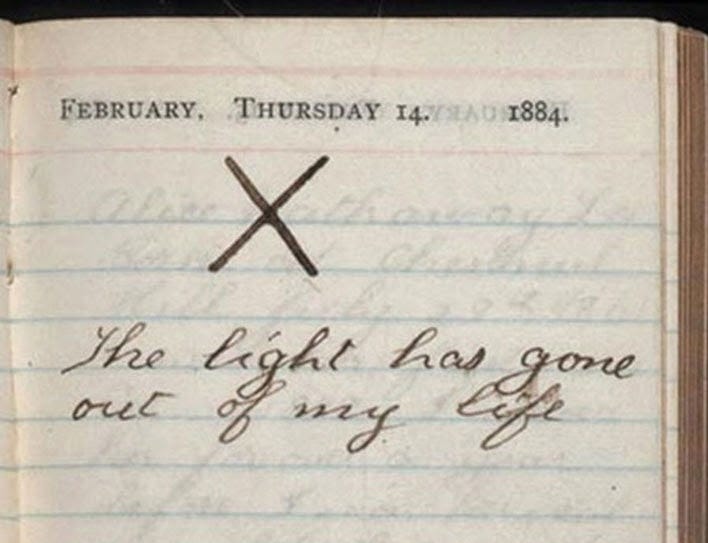
He basically quit public life and head out west to North Dakota and worked as a rancher for a few years before returning to New England and beginning the trajectory that paved the rest of his career. But it’s a powerfully sad story that stuck with me for years since I first learned of it, and always knew I would work it into a story because––and this is perhaps a bit cynical and callous––it’s a fantastic foundation for a character.
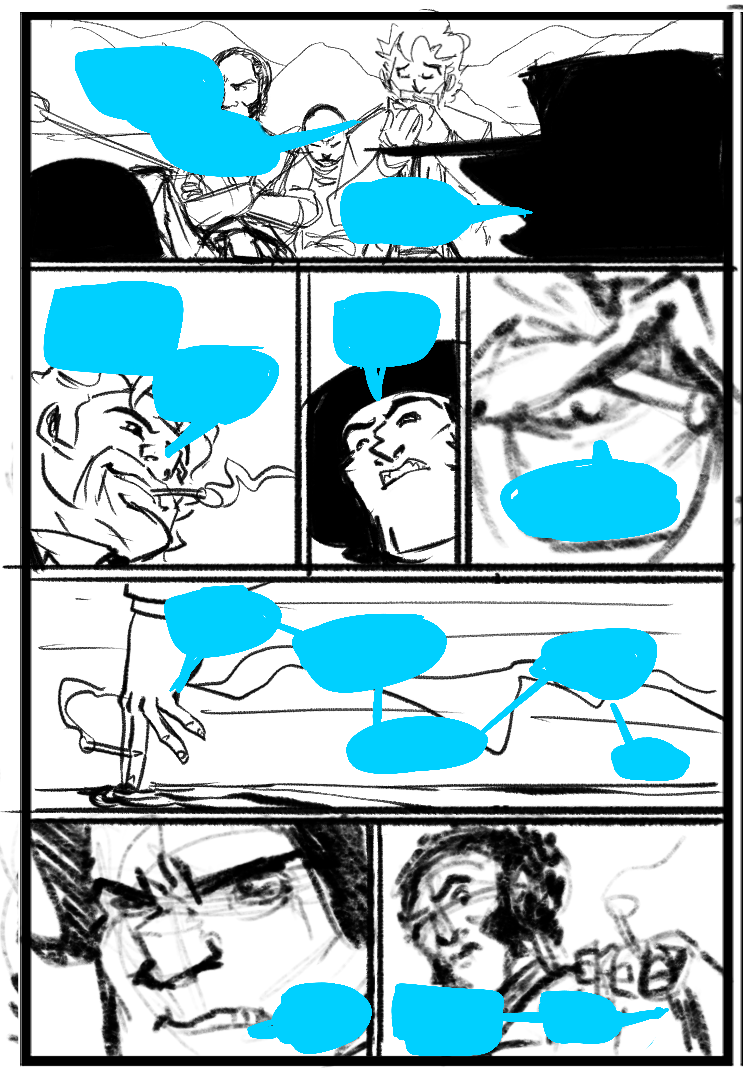
The thumbnail for this page. Click for larger version.
Discussion ¬